


A highly delicate surgical rejuvenation of the eyelids to erase chronic fatigue, restore an alert, youthful gaze, and preserve your eye's natural architectural shape.
The eyes are the focal point of human connection. Unfortunately, the skin of the eyelids is the thinnest on the body, making it the first area to reveal the signs of aging, stress, and gravity. This often results in a false expression of exhaustion, sadness, or anger.
Blepharoplasty is a microscopic precision surgery. By removing exact micro-millimeters of excess, hooded skin from the upper lids and meticulously repositioning bulging fat pockets in the lower lids, Dr. Gandhi permanently restores a bright, rested, and vibrant expression without ever altering the fundamental character of your eyes.
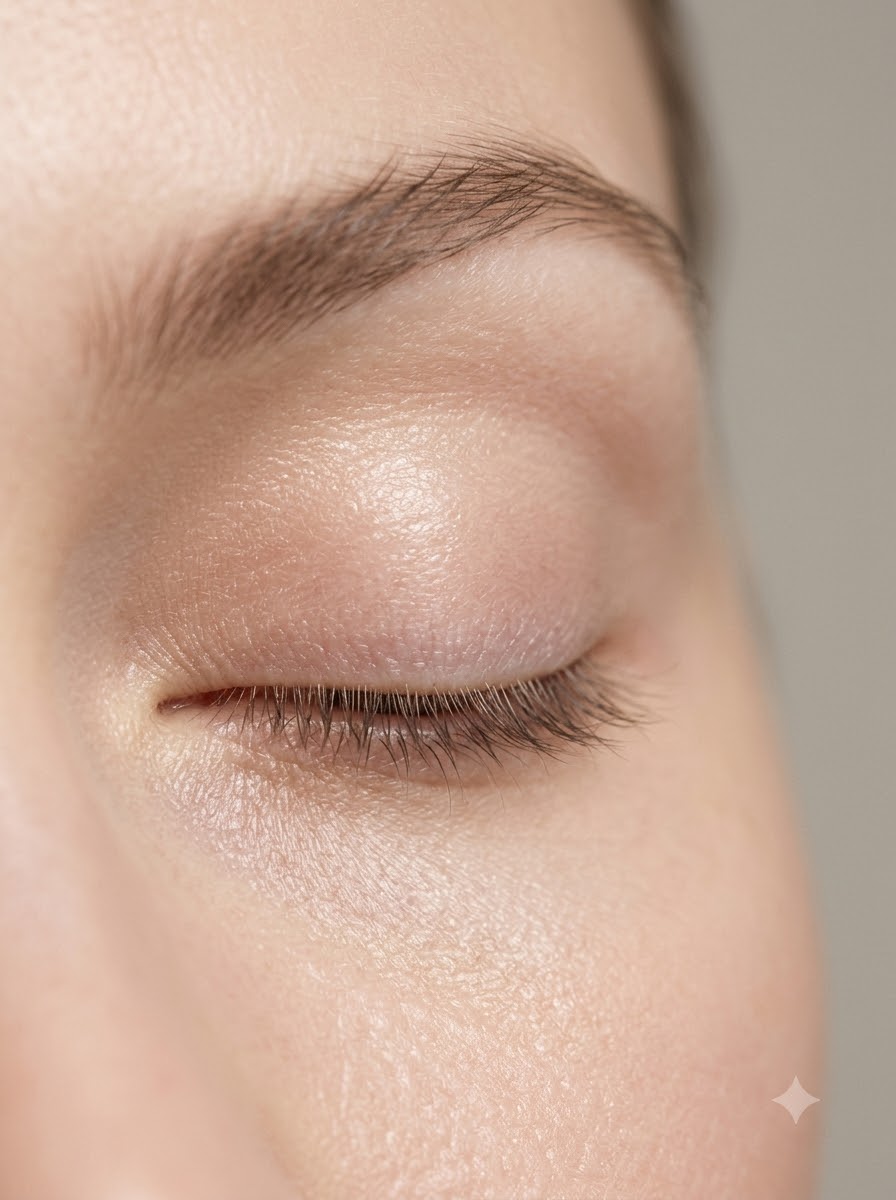
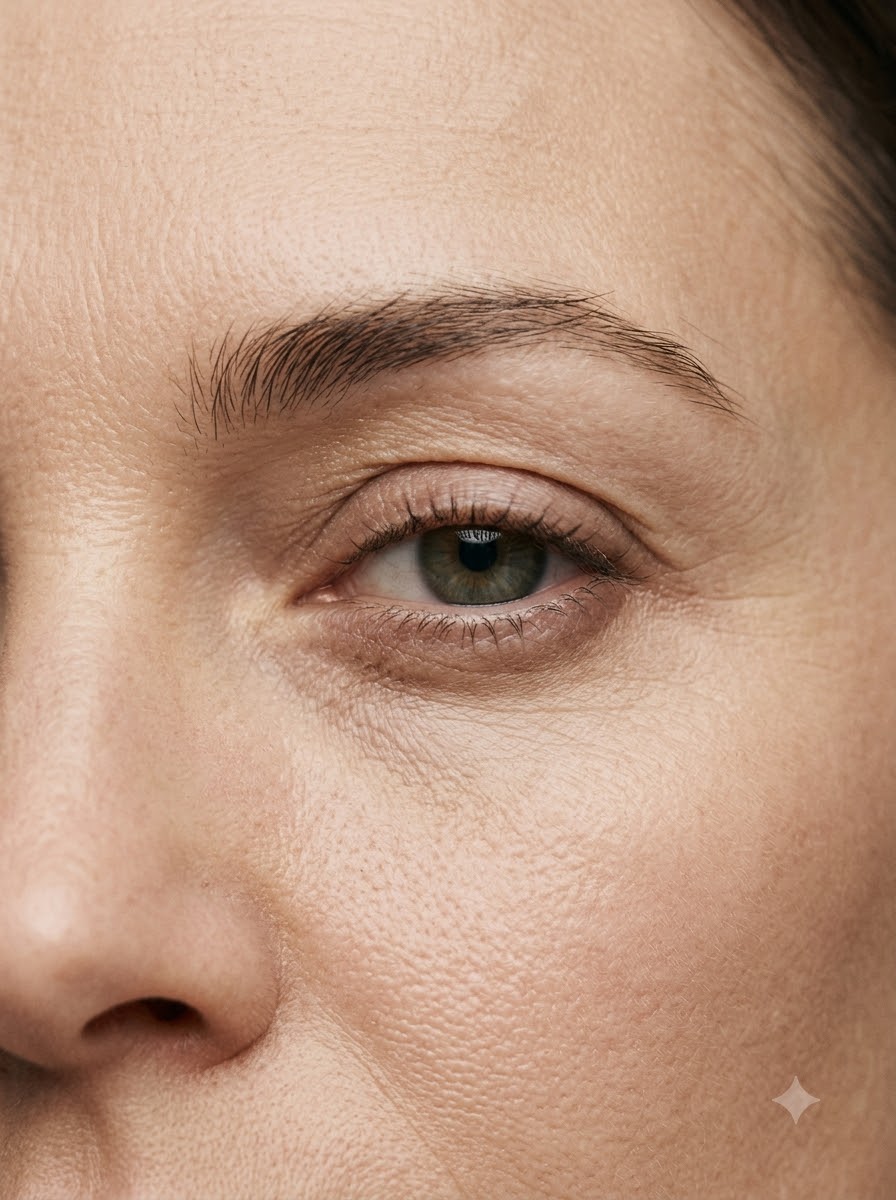
For younger patients in their 20s or 30s who only have a slight shadow under the eye, strategically placed hyaluronic acid filler can camouflage the tear trough beautifully for about a year.
However, filler cannot address significant, bulging fat pads or loose, crepey skin. In fact, adding filler over a true 'eye bag' will only make the eye look puffier and attract more water. If the structural fat pad has herniated forward, a Lower Blepharoplasty is the only way to permanently smooth the contour.
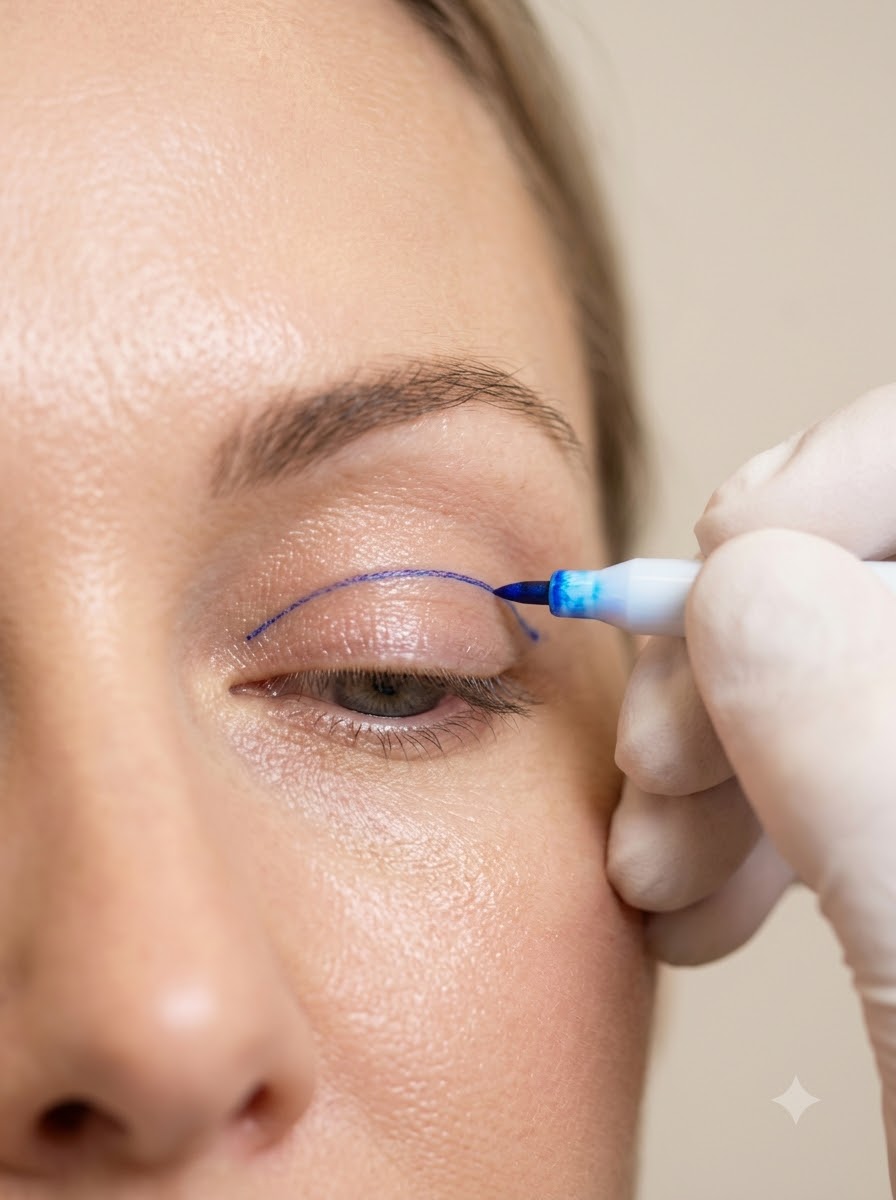

The biggest mistake in traditional eyelid surgery is treating it solely as an excision procedure. Removing too much skin or fat leads to a hollow, skeletal, or 'startled' appearance, irreversibly altering the shape of the eye.
Dr. Gandhi utilizes advanced Fat Repositioning techniques for the lower eyelid. Instead of merely cutting out the fat bags, he glides that healthy fat downward to fill the hollow tear troughs underneath, creating a perfectly smooth, youthful transition from the eyelid to the cheekbone. For the upper lids, he employs absolute micro-precision, ensuring the natural almond shape and cantal tilt of the eye remain perfectly intact.
"Youth is characterized by fullness, not hollowness. The modern approach to the lower eyelid is to preserve your natural fat, rearranging it like a custom dermal filler that lasts a lifetime. We never want to 'hollow out' the eye."
— Dr. Giriraj Gandhi
Addresses the upper lid. An imperceptible incision is made strictly within the natural eyelid crease. Excess hanging skin and a small sliver of muscle are removed to crisp up the lid platform, allowing makeup to be applied smoothly.
The gold standard for under-eye bags. The incision is made <em>inside</em> the lower eyelid (the conjunctiva). This means there is absolutely zero external scarring and the delicate muscle supporting the lower lash line remains entirely uncut and strong.
An adjunctive technique for the lower lid. If there is excess, crepey skin but no fat bags, a microscopic 'pinch' of skin is removed just beneath the lower lash line, tightening the surface without altering the eye shape.
No. When performed correctly by a highly trained specialist, blepharoplasty strictly addresses the tissue surrounding the eye, not the eye shape itself. You will simply look like a completely refreshed, well-rested version of yourself.
Eyelid skin is the fastest healing tissue on the human body. Upper eyelid scars are hidden deep in the natural fold, invisible when eyes are open. Lower eyelid scars are either completely internal or hidden exactly along the lash line, fading to an imperceptible degree.
Absolutely. In fact, performing an Upper and Lower Blepharoplasty simultaneously, often called a 'Quad Bleph,' is highly common and provides a comprehensive, balanced rejuvenation of the entire orbital area in a single recovery period.
If you have a history of dry eyes, glaucoma, or recent LASIK surgery, we will require clearance from your ophthalmologist to ensure your eyes can safely tolerate the temporary reduction in tear production post-surgery.
The eye area is highly vascular. You must absolutely cease all aspirin, Ibuprofen, Vitamin E, fish oils, and alcohol two weeks prior to surgery to minimize the risk of post-operative bruising.
Purchase gel ice packs (or frozen peas), artificial tears, and dark sunglasses. You will rely heavily on these during the first 72 hours of recovery to minimize swelling and keep the eyes lubricated.
You will experience blurry vision from protective eye ointments and significant swelling. Your eyes will feel 'tight' but rarely painful. You must strictly apply ice packs for 20 minutes of every hour and sleep with your head elevated.
Swelling begins to rapidly subside. Tiny sutures (if used) are removed completely painlessly at the clinic. Bruising may shift downward into the cheeks due to gravity; this is entirely normal and can easily be covered by concealer.
By day 10 to 14, almost all patients are fully 'restaurant ready' and return to normal social and professional activities. You may resume wearing contact lenses and eye makeup at the two-week mark.
The upper eyelid is not a single flat curtain of skin. It is a thin sheet supported by a muscle (levator), a fibrous tension band under that skin (the orbital septum), and a fat...
6 Min ReadA patient once came back for her day 5 review with her phone out, scrolling through photos she'd taken every morning since surgery. "Doctor, day 2 looked better than day 4," she...
7 Min ReadMost patients who write in asking about upper vs lower blepharoplasty India have already decided, in their own head, that they need "eyelid surgery." What they haven't worked ou...
7 Min ReadSchedule a private consultation at our Nigdi clinic to explore your surgical options with absolute discretion and expert guidance.