


A masterclass in millimeter precision, designed to harmonize your facial architecture while rigorously preserving or enhancing structural breathing function.
The nose anchors the center of the face; even a millimeter of disproportion can distract from the eyes and lips. Rhinoplasty is the most intricate and structurally demanding procedure in all of facial plastic surgery, requiring a profound understanding of three-dimensional geometry and dynamic airflow.
By meticulously reshaping the underlying bone and cartilage framework—rather than simply removing tissue—Dr. Gandhi creates a refined, elegant contour. The goal is never a 'cookie-cutter' nose, but a bespoke, natural structure that seamlessly balances your unique ethnic features and facial proportions.
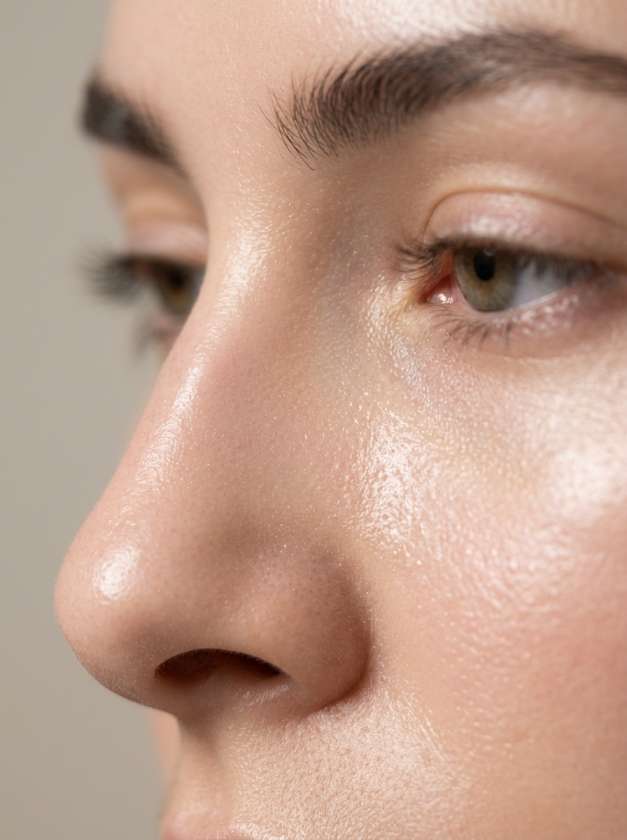
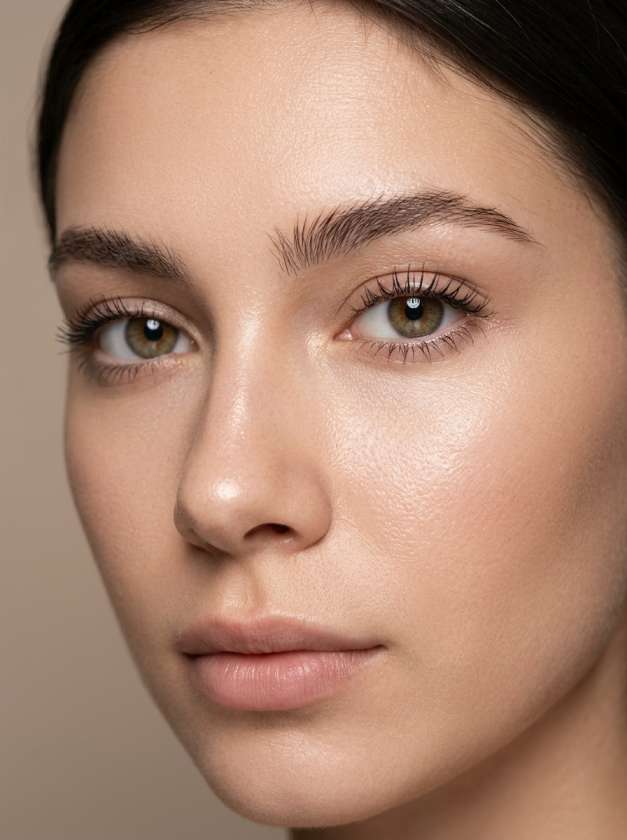
A 'Liquid Rhinoplasty' utilizes dermal fillers to temporarily camouflage a dorsal hump or elevate a drooping tip. It is an excellent, non-invasive 15-minute option for minor contour adjustments, lasting roughly 9 to 12 months.
However, filler can only add volume; it cannot make a nose smaller, narrow a wide tip, or correct a deviated septum. For patients seeking a permanent reduction in size, structural refinement, or functional breathing improvements, a surgical Rhinoplasty remains the absolute gold standard.
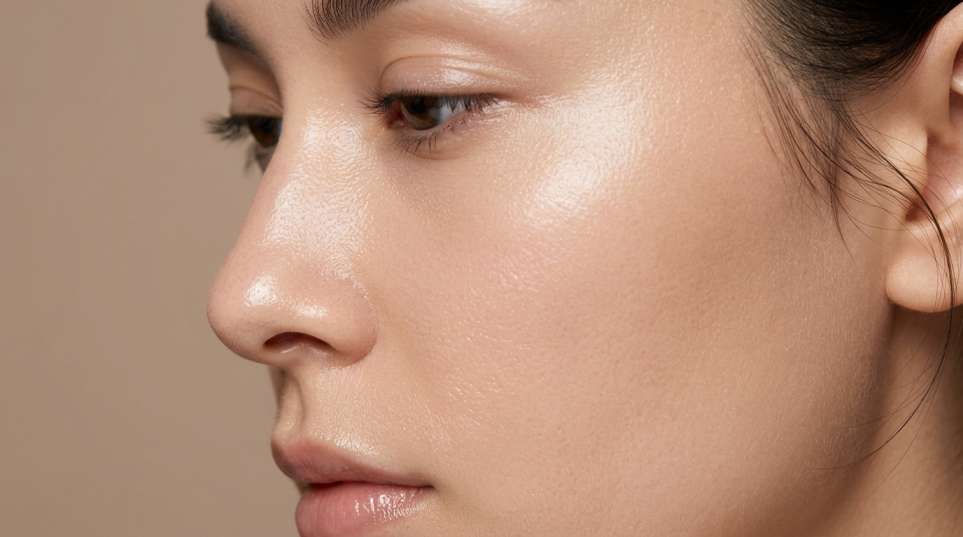

Older rhinoplasty techniques relied on aggressive tissue removal, often resulting in a pinched, 'scooped out,' and obviously operated look that compromised breathing years later.
Dr. Gandhi champions Preservation Rhinoplasty and Structural Rhinoplasty. Utilizing advanced ultrasonic instruments (Piezo technology), he can delicately reshape the nasal bones without splintering or breaking them, drastically reducing bruising. He meticulously reconstructs the cartilage using micro-sutures and grafts, ensuring the nose maintains robust support and pristine breathing function for a lifetime.
"The hallmark of a perfect rhinoplasty is that it goes completely unnoticed. The new nose shouldn't draw attention to itself; rather, it should silently fade into the background, allowing the eyes and lips to suddenly take center stage."
— Dr. Giriraj Gandhi
The preferred method for complex reshaping. A tiny, imperceptible incision is made across the columella (the tissue between the nostrils). This allows the skin to be gently lifted, giving the surgeon absolute, unobstructed visibility to sculpt the intricate cartilages with millimeter precision.
All incisions are made entirely inside the nostrils, resulting in zero external scarring. This is typically reserved for more straightforward bridge refinements or minor tip adjustments, offering a slightly faster initial recovery.
A dual-purpose surgery. While the exterior aesthetic is refined, the internal deviated septum is straightened and the nasal valves are reinforced with cartilage grafts to permanently cure chronic airway obstruction.
No. Dr. Gandhi utilizes modern, 'packless' surgical techniques. Instead of yards of painful gauze, he places a soft, specialized silicone splint inside the nose that features an internal breathing tube, allowing you to breathe comfortably immediately after surgery.
If you have a severely blocked airway causing a 'nasal' or congested voice, a septorhinoplasty will actually clear the resonance, resulting in a clearer, more natural tone. A purely cosmetic rhinoplasty on a healthy airway will not alter your voice.
While you will see a beautiful difference the moment the cast is removed at day 7, the nose retains microscopic swelling longer than any other body part. It takes approximately 1 year for 100% of the swelling to dissipate, especially in the thick skin of the nasal tip.
We utilize advanced 3D morphing software to digitally alter your nose on screen. This ensures you and Dr. Gandhi share the exact same aesthetic vision and sets realistic, structurally sound surgical goals.
Strictly avoid all blood-thinning medications, NSAIDs (like Ibuprofen), and Vitamin E. The nose is highly vascular; minimizing these substances is the key to preventing severe post-operative bruising around the eyes.
Prepare a dedicated recovery space with a wedge pillow. You must sleep with your head elevated at a 45-degree angle for the first week to encourage fluids to drain away from the face.
You will wear a custom external cast to protect the new bridge. Bruising under the eyes is common and peaks around day 3. You must avoid all bending over, heavy lifting, or blowing your nose. Pain is minimal, typically described as the pressure of a severe sinus headache.
The external cast and any internal silicone splints are painlessly removed. While the nose will be swollen, the new, beautiful structural profile is instantly visible. Most patients confidently return to work or social settings by day 10.
You can resume wearing glasses and engaging in intense cardiovascular exercise at the 6-week mark. The subtle, refined details of the nasal tip will continue to 'shrink-wrap' and emerge beautifully over the coming months.
"When can I see my actual nose?" is usually the second question in a rhinoplasty consultation, right after "will it look natural." Most patients researching the rhinoplasty reco...
5 Min ReadMost people looking into rhinoplasty India have already scrolled through hundreds of before after photos and picked out one or two noses they want copied onto their own face. Th...
7 Min ReadThe nasal tip holds its shape because of a small, delicate tripod of cartilage two lower lateral cartilages meeting a septal strut held together by fibrous attachments that are...
6 Min ReadSchedule a private consultation at our Nigdi clinic to explore your surgical options with absolute discretion and expert guidance.