


Meticulous structural correction of male breast tissue to restore a firm, defined, and masculine chest contour.
Gynecomastia is a medical condition involving abnormal enlargement of male breast tissue. It may present as true gynecomastia (excess glandular tissue), pseudo-gynecomastia (excess localized fat), or a mixed pattern.
This targeted surgical intervention corrects the imbalance by removing redundant gland and fat to sculpt a tighter, stronger, and more masculine pectoral profile, allowing you to move with confidence in daily and social settings.
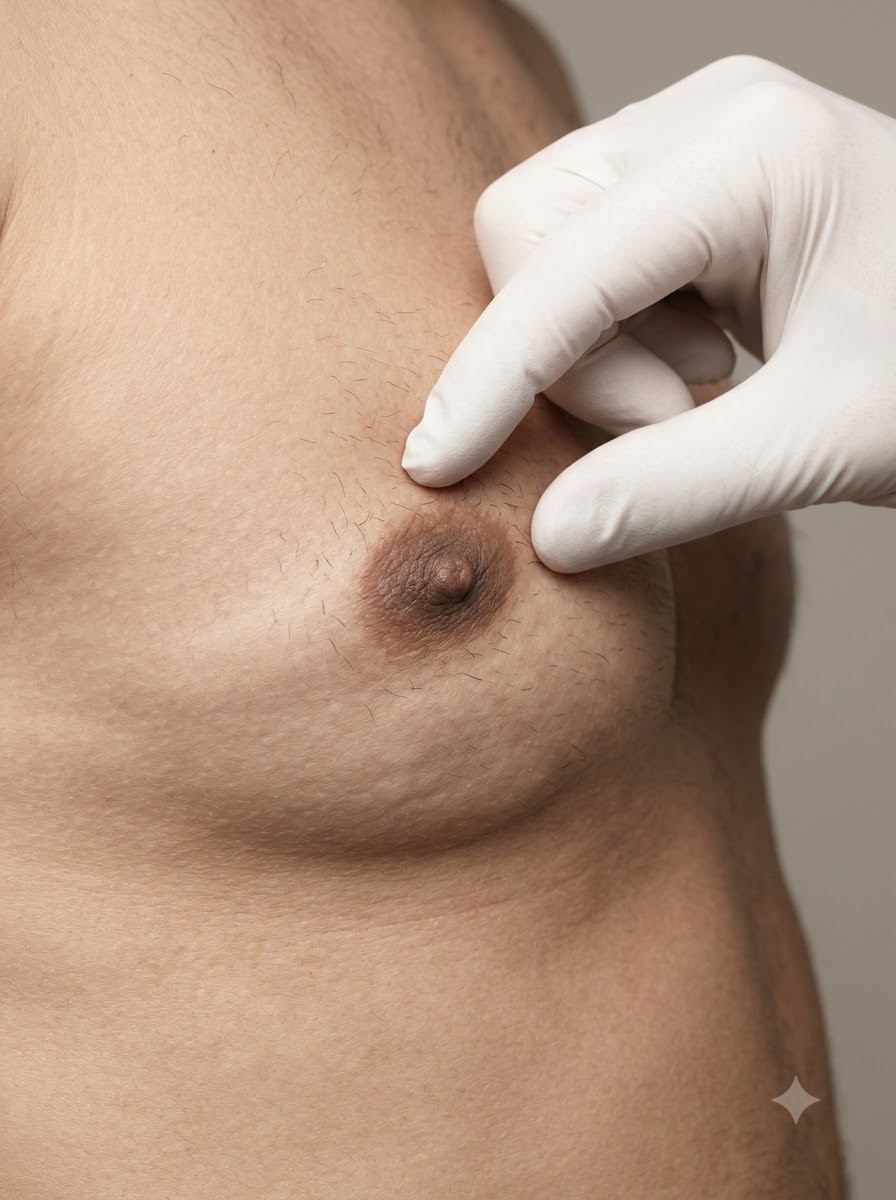
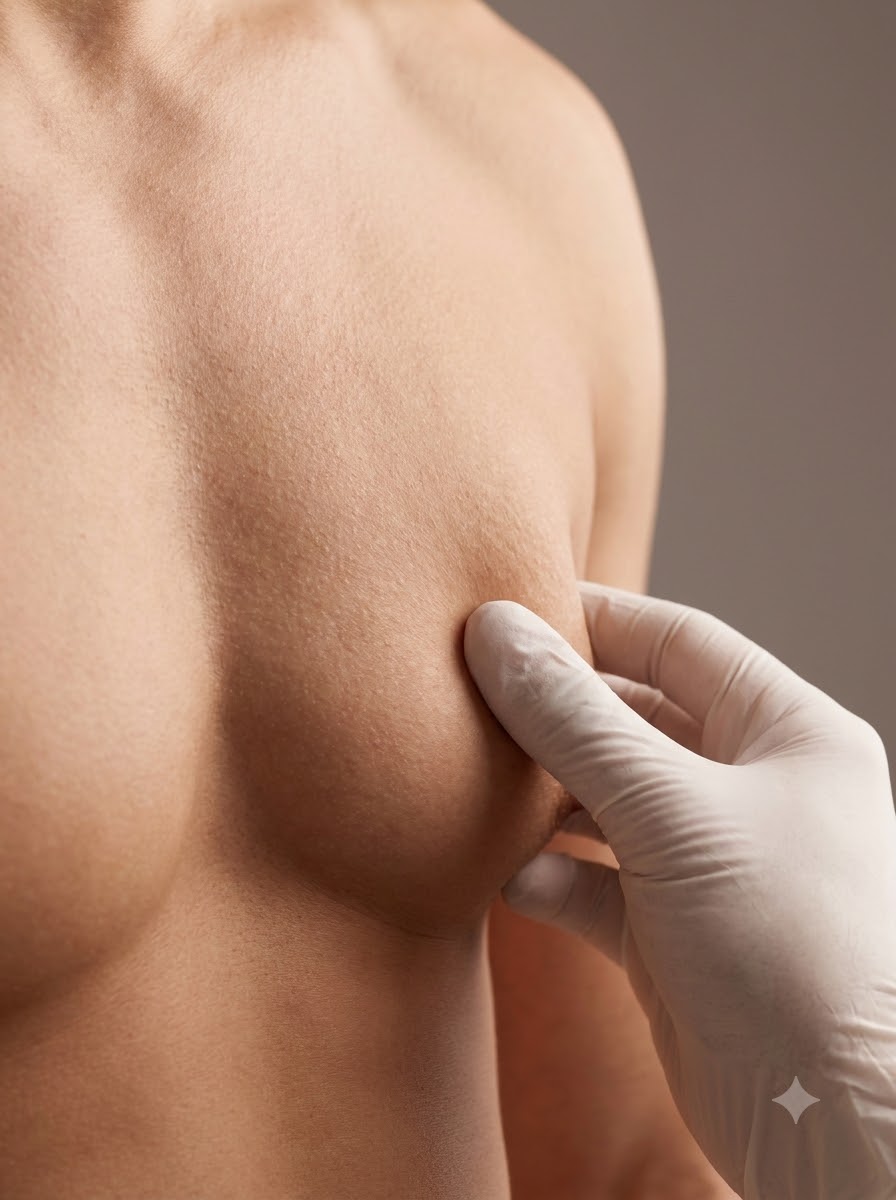
If fullness is purely fatty and skin quality is excellent, liposuction alone may provide improvement. However, in most true gynecomastia cases, dense gland tissue beneath the areola cannot be removed by liposuction alone.
A combined approach with direct gland excision and contour liposuction is often the definitive solution, creating a cleaner chest line and reducing the risk of residual puffiness.
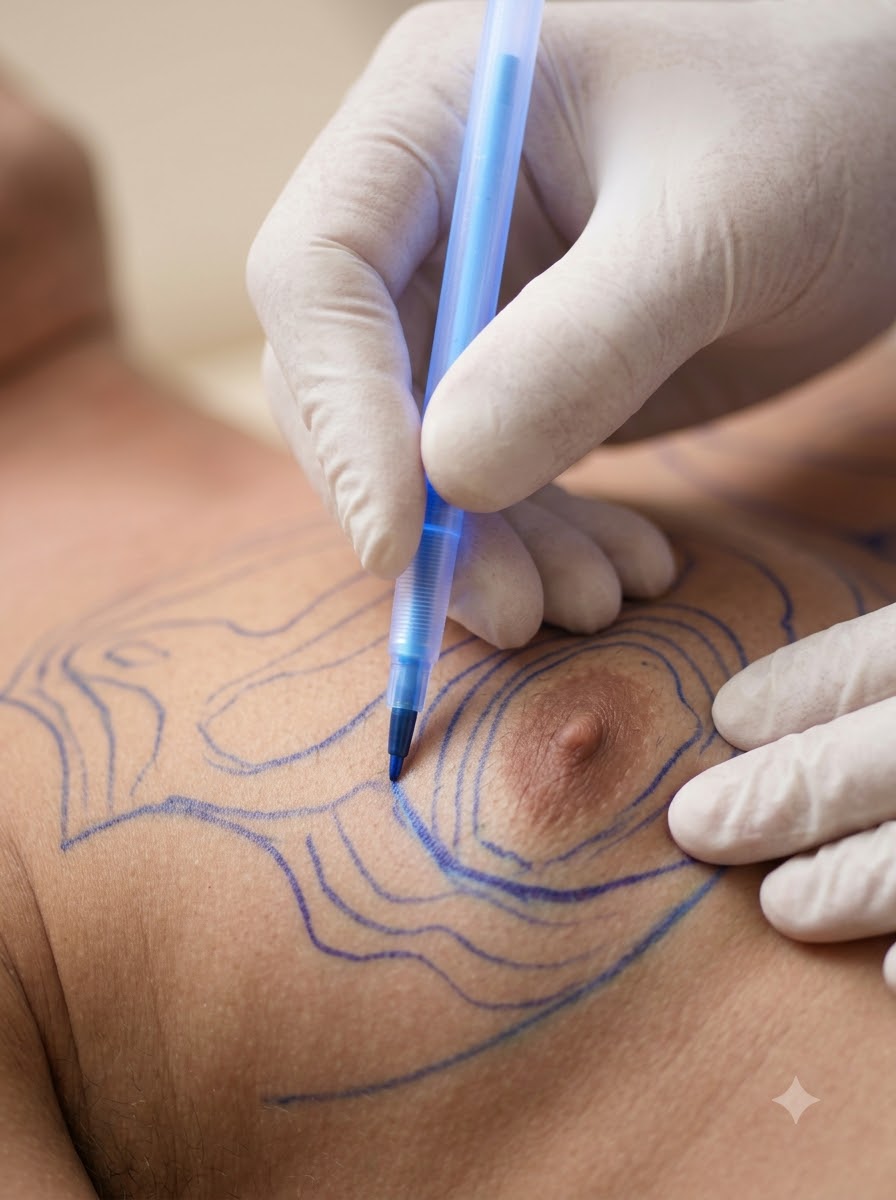

Trained at PGIMER Chandigarh and refined through European fellowships, Dr. Gandhi treats gynecomastia as contour architecture, not simple debulking. The male chest demands angular definition and balanced volume transitions.
His approach combines precise gland excision with high-definition liposuction and meticulous feathering of surrounding tissue to avoid crater deformity, preserving a natural, athletic chest profile across multiple angles.
"The best gynecomastia result is not just a flatter chest. It is a chest that looks naturally masculine in motion, in profile, and under different lighting, with no obvious signs of surgery."
— Dr. Giriraj Gandhi
Liposuction allows smooth, controlled contouring around the pectoral border for sharper masculine chest definition while preserving even tissue transitions.
Through a discreet peri-areolar incision, dense glandular tissue is removed directly to resolve persistent nipple puffiness and central chest fullness.
A combined strategy of gland excision, liposuction, and peripheral feathering ensures even thickness transitions and reduces contour irregularities.
Yes. Excised gland tissue does not regrow. Fat can still increase with major weight gain, so maintaining a stable weight helps preserve long-term chest definition.
Common causes include hormonal fluctuations, genetics, certain medications, anabolic steroid use, weight gain, and some medical conditions. A proper consultation determines the dominant tissue type and best treatment plan.
Coverage is uncommon but may be possible in select medically indicated cases with documented pain or functional symptoms. Our team can guide the required clinical documentation.
Discontinue nicotine at least 4 to 6 weeks before surgery and avoid blood-thinning supplements/medications as advised to optimize healing and reduce bleeding risk.
Maintain hydration, prioritize protein intake, and keep weight stable. Better metabolic health supports faster recovery and improved contour quality.
Arrange loose, front-opening clothing and reduce physical commitments for the first week so you can rest and follow post-op instructions carefully.
Compression garments are worn continuously to control swelling and support chest redraping. Mild soreness and tightness are expected and managed with medication.
Most patients return to desk work and light routine activity. Heavy lifting, intense pushing exercises, and chest workouts should still be avoided.
Residual swelling gradually resolves and chest definition sharpens. Final contour quality continues to improve over several months as tissues fully settle.
A 24 year old software engineer came to me with a printout from a forum thread. He had gynecomastia since his teens, had already tried the gym and a strict diet for two years, a...
7 Min ReadAlmost every man who comes in for a consultation has already read something online about gynecomastia surgery results India patients can expect, and almost every one of them arr...
7 Min ReadA patient of mine, a 32 year old badminton player who trains five days a week and competes in local club tournaments, asked me a version of the same question three times across...
6 Min ReadSchedule a private consultation at our Nigdi clinic to explore your surgical options with absolute discretion and expert guidance.