


An elegant architectural refinement of the upper arm, meticulously removing inelastic skin and contouring subcutaneous fat to restore a firm, toned silhouette.
Brachioplasty is a contour-restoration procedure designed to remove inelastic upper-arm skin and reshape residual fat to recreate a smoother, firmer arm line. It is most useful when skin quality has declined due to age-related collagen loss or major weight fluctuations.
Unlike exercise, which can strengthen underlying muscle, brachioplasty directly addresses redundant skin envelope and ptotic tissue. The result is a cleaner transition from shoulder to elbow with improved proportion in fitted clothing and elevated arm posture confidence.
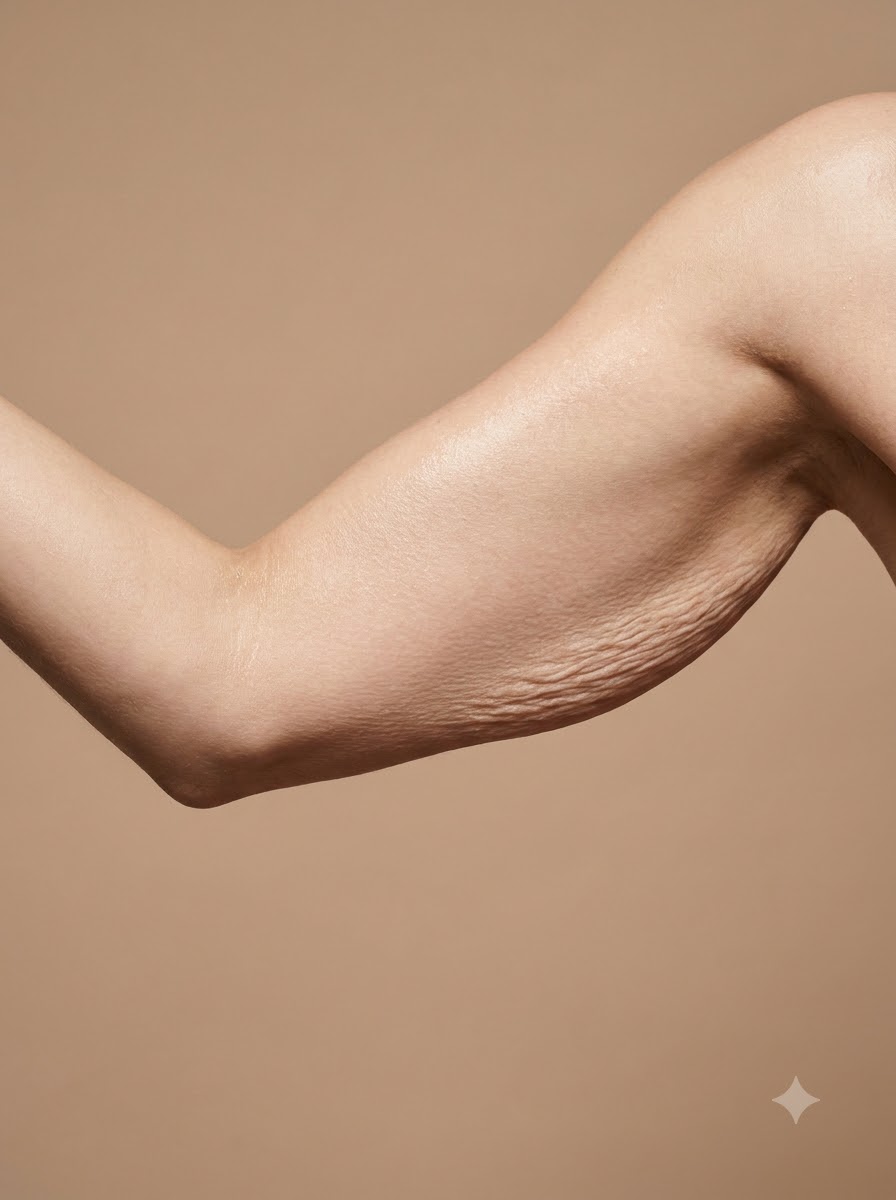
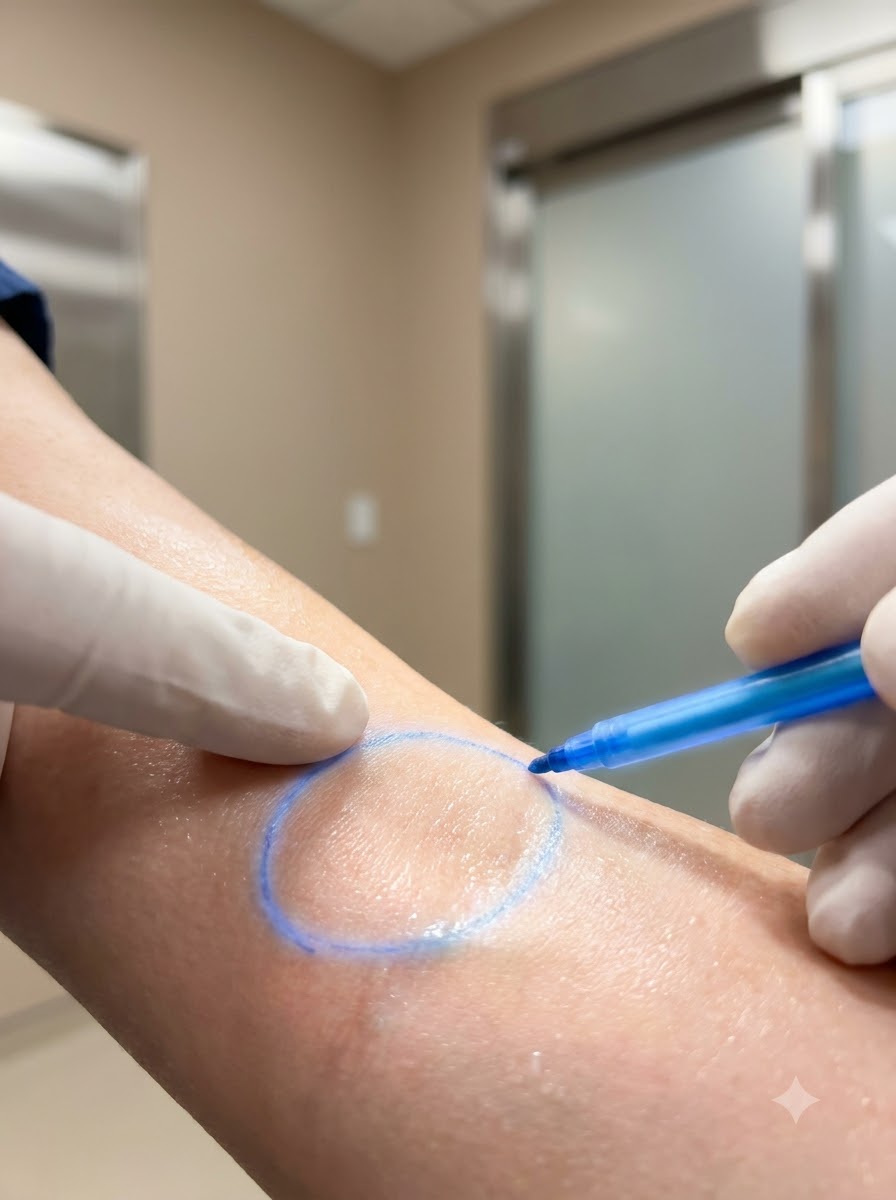
It is crucial to distinguish between excess fat and poor skin elasticity. If the primary issue is localized fat with excellent skin tone, targeted liposuction alone may be sufficient to reveal the underlying muscle.
However, if the skin has lost its ability to snap back—common after the age of 40 or following significant weight loss—liposuction alone will actually worsen the appearance by deflating the arm and creating more loose skin. In these cases, excisional Brachioplasty is the only definitive medical solution.
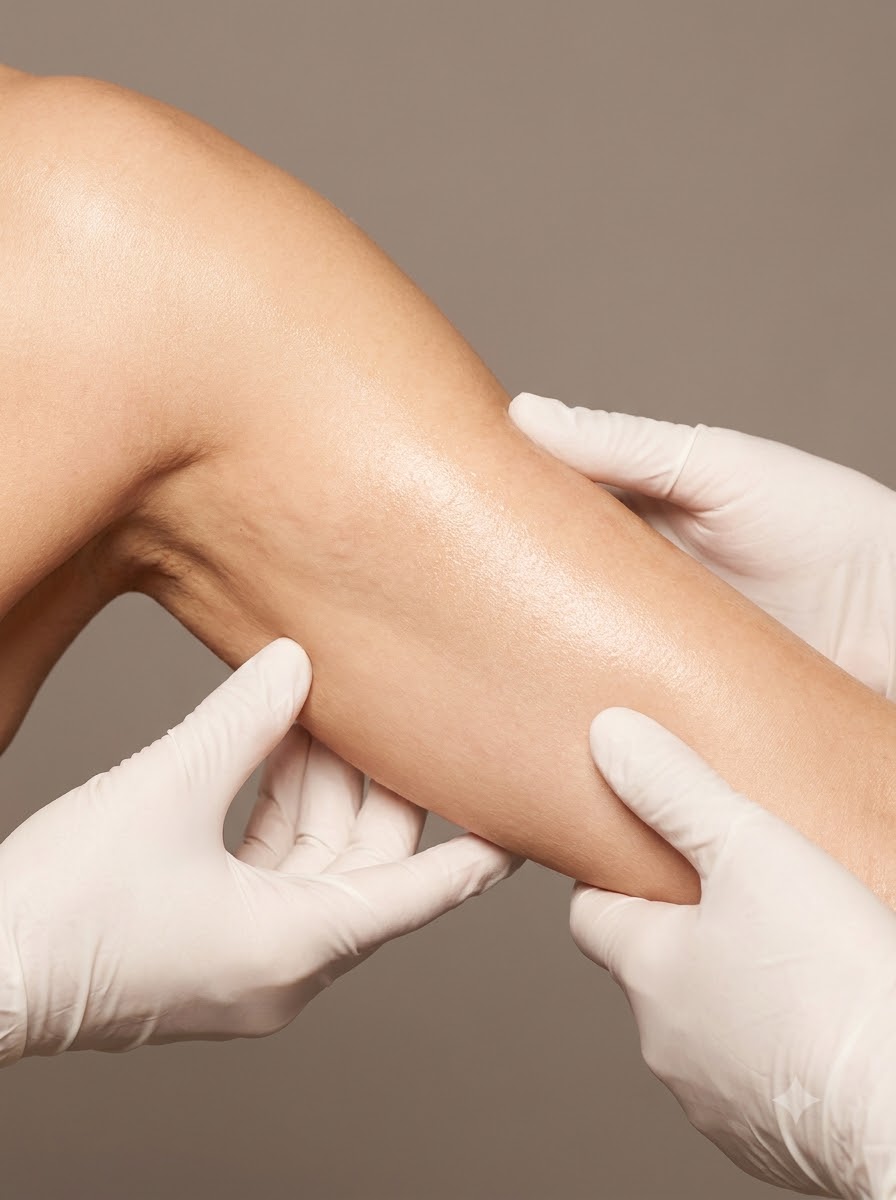

The upper arm is a highly delicate anatomical zone, containing crucial lymphatic pathways and prominent nerves. True mastery of the brachioplasty requires not just skin removal, but the preservation of these vital structures to prevent post-operative swelling and ensure swift healing.
Dr. Gandhi utilizes a deeply refined, tissue-sparing approach. His focus is on strategic incision placement—hiding the scar in the natural bicipital groove or the axillary fold whenever possible—ensuring that the final result is not only structurally firm, but aesthetically discreet.
"The goal of an arm lift isn't just to make the arm smaller; it's to restore the harmonious transition from the shoulder to the elbow. When done correctly, it frames the entire upper body with elegance and athletic tension."
— Dr. Giriraj Gandhi
Ideal for patients with very mild skin laxity confined strictly to the upper inner arm near the armpit. The incision is hidden entirely within the axilla (underarm crease), resulting in no visible scar on the arm itself.
The most common approach for moderate to severe laxity. An incision is made along the inner surface or back of the arm, extending from the armpit to just above the elbow, allowing for comprehensive skin tightening and fat removal.
Designed for massive weight loss patients. The incision extends from the elbow, through the armpit, and down onto the lateral chest wall to remove excess skin that extends from the arm down the side of the breast.
Scars are a necessary trade-off for a tight, contoured arm. However, Dr. Gandhi places the incision along the inner bicipital groove so it is not visible from the front or the back when your arms are resting naturally by your sides. Over 12-18 months, these lines fade significantly.
You must avoid all heavy lifting and overhead reaching for a minimum of 4 to 6 weeks to prevent stretching the delicate healing incisions. Light cardio, such as walking, can resume within the first week.
Temporary numbness or tingling along the inner arm is entirely normal due to the manipulation of superficial skin nerves. This sensory alteration typically resolves on its own over a few months as the tissues heal.
Cease smoking entirely. The arms rely on a highly specific vascular network to heal; nicotine compromises this micro-circulation, heavily increasing the risk of poor scarring and delayed healing.
Set up your recovery space. Since your arm mobility will be temporarily restricted, ensure that all necessary items (clothing, dishes, toiletries) are placed at waist level so you do not have to reach overhead.
Purchase comfortable, button-down or zip-up shirts. You will not be able to comfortably pull clothing over your head for the first two weeks of recovery.
Your arms will be wrapped in specialized compression garments to minimize swelling. You must sleep on your back with your arms elevated on pillows to promote lymphatic drainage and reduce throbbing.
Surgical drains (if used) and sutures are removed. Bruising begins to fade. You may return to desk work, but arms should remain close to the body, avoiding extending them fully straight or lifting anything heavier than a laptop.
By month 6, the deep structural healing is complete and the final contoured silhouette is fully visible. Strict sun protection is required on the incisions to ensure the scars fade to a pale, flat silver line over the first year.
A woman who had lost 52 kilos after a sleeve gastrectomy sat down for her consultation with her phone already open to a video titled "Scarless Arm Lift — No Cutting Needed." She...
7 Min ReadPatients rarely ask me "what happens during recovery" in the abstract — they ask a version of it shaped by something they read the night before: a forum post, a friend's experie...
7 Min ReadA woman came to my clinic last month and did something I see often: she raised her arm to point at a photo on the wall, then immediately pulled it back down and tucked the loose...
8 Min ReadSchedule a private consultation at our Nigdi clinic to explore your surgical options with absolute discretion and expert guidance.