


Staged release and resurfacing of burn scars to restore mobility, contour, and confidence with durable reconstructive outcomes.
Burn reconstruction treats contractures, contour deficits, and unstable scar tissue after thermal, chemical, or electrical injuries. The objective is to recover function and reduce deformity caused by tightening scar bands.
Dr. Gandhi uses staged scar release, grafting, flap coverage, and long-term scar modulation to improve movement and appearance while minimizing recurrence.
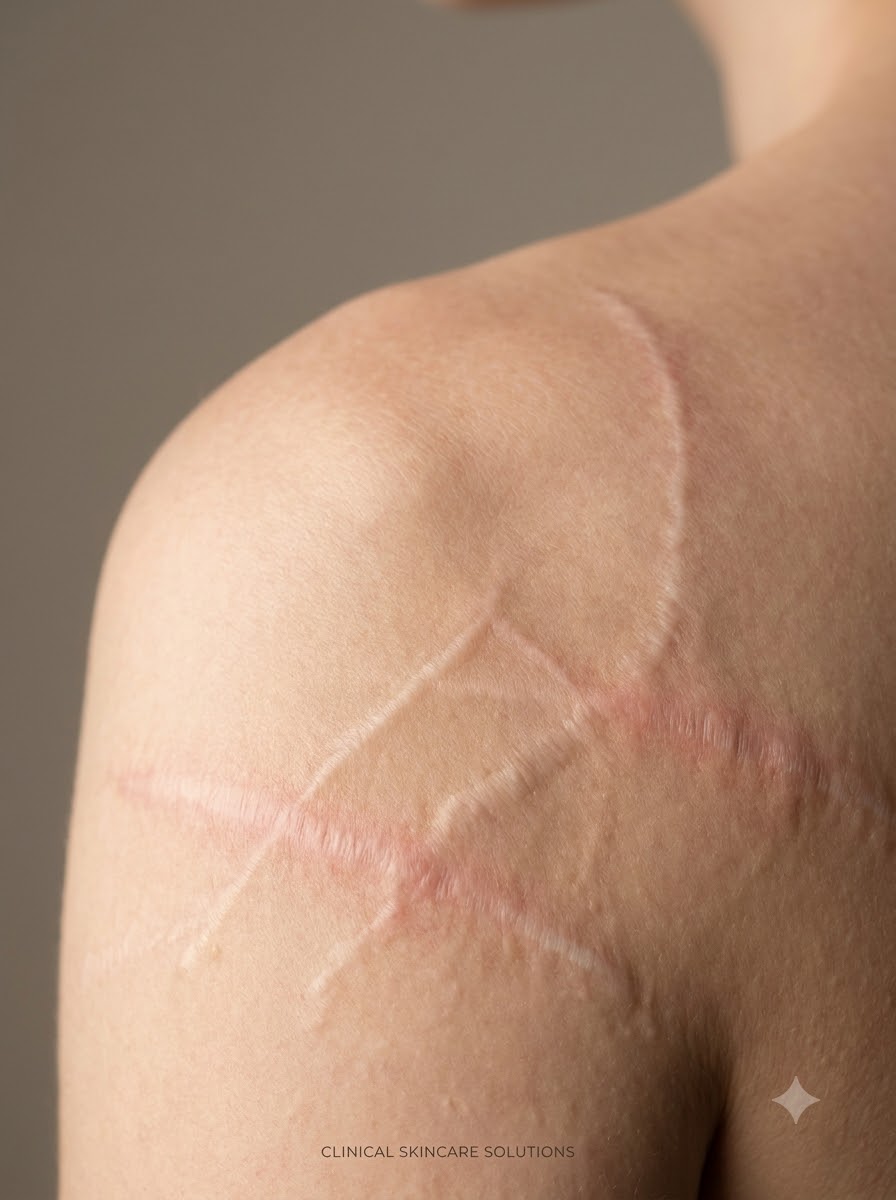
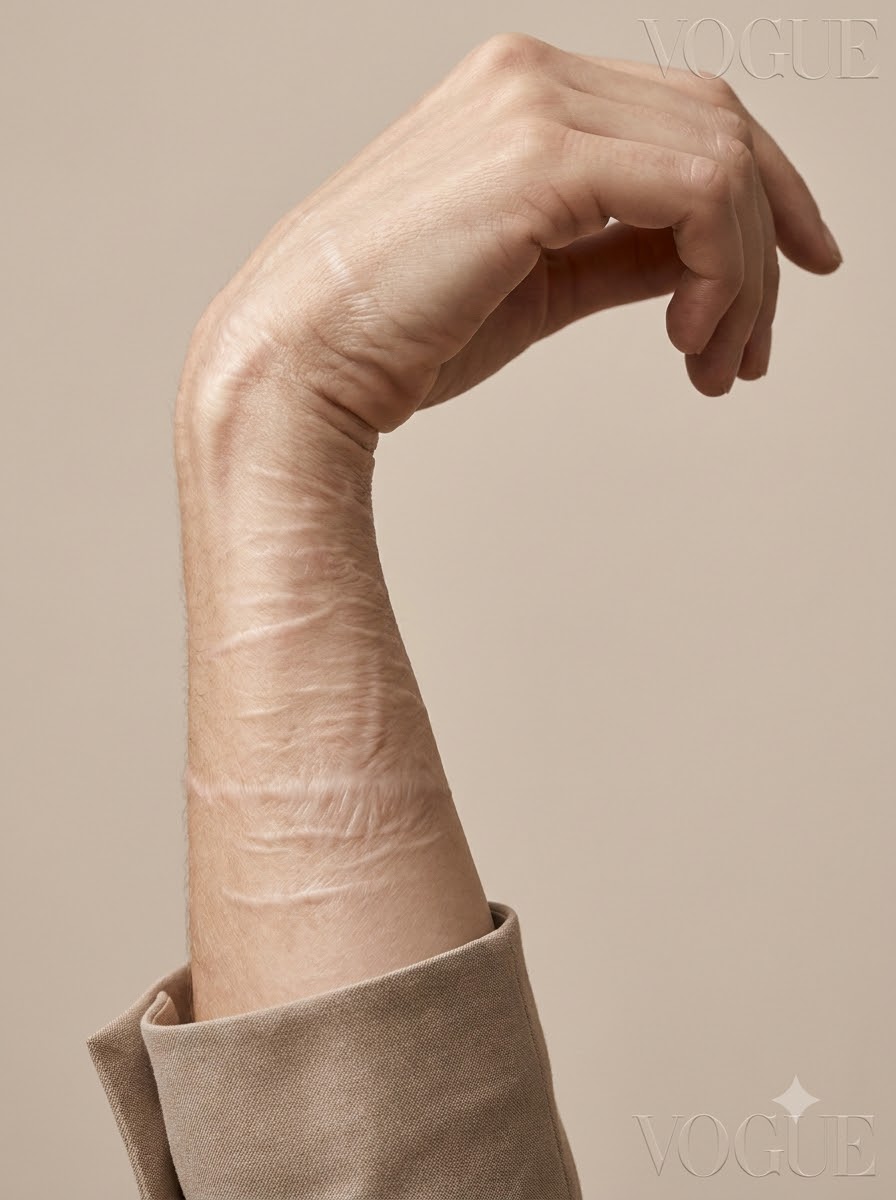
Compression garments, silicone, and laser can help mild burn scars and are often part of first-line care.
Established contractures that restrict movement usually require operative release and resurfacing to restore function.
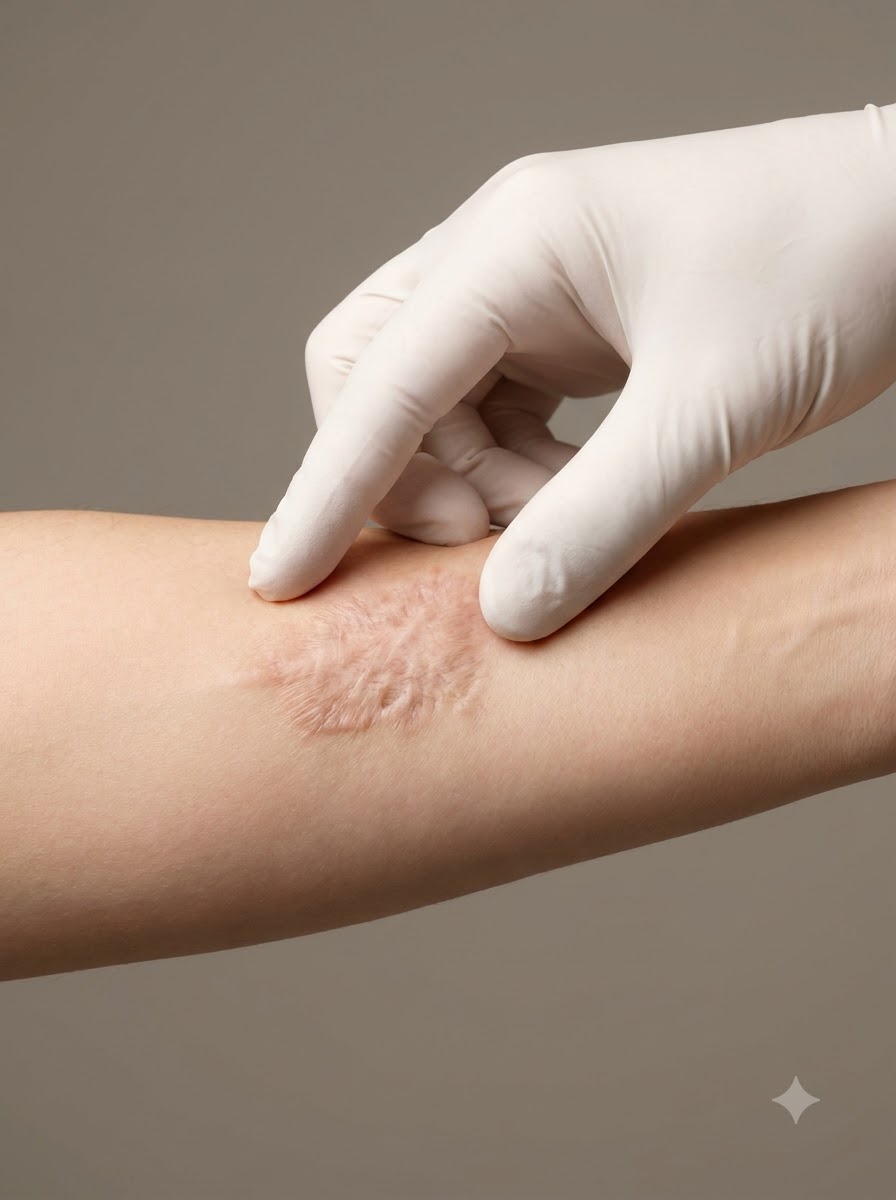

Burn scars are biologically active and prone to recontract. Durable correction requires strategic release patterns and reliable resurfacing.
Dr. Gandhi combines contracture release with graft/flap choice based on region-specific motion demands, followed by structured scar therapy.
"Burn reconstruction is a journey, not a single operation. Consistent scar care and physiotherapy are central to lasting function."
— Dr. Giriraj Gandhi
Scar bands are released to restore range of motion and reduce deforming tension.
Split or full-thickness grafts resurface released areas and improve pliability.
Local or regional flaps provide durable coverage in high-motion or deep-defect regions.
Some scar activity can recur, but recurrence risk drops with proper technique and aftercare.
Many patients need staged correction depending on region and severity.
Yes. Rehabilitation is essential to preserve the range gained from surgery.
Movement limits and scar vectors are mapped to define release priorities.
Nutrition, hydration, and cessation of nicotine improve graft and flap outcomes.
Compression and physiotherapy plans are prepared before surgery.
Dressing care and graft/flap monitoring are prioritized during initial healing.
Range-of-motion work and scar-care protocols begin progressively.
Scar maturation continues for months with compression, therapy, and follow-up refinements.
A woman who had a contracture release on her neck once described the first ten days after surgery as "the quietest terrifying thing I've ever done." Nothing hurt as much as she...
7 Min ReadA mother brought her eight year old son in almost two years after a kitchen accident had scarred his forearm and elbow. The wound had closed long ago. The skin had settled into...
6 Min ReadBurn reconstruction is one of the few areas of plastic surgery where patients arrive with strong opinions already formed — usually from other survivors, WhatsApp groups, or a pr...
7 Min ReadSchedule a private consultation at our Nigdi clinic to explore your surgical options with absolute discretion and expert guidance.