


Advanced closure and reconstructive strategies for non-healing wounds, restoring durable coverage and reducing recurrence risk.
Chronic wounds are defects that fail to heal in a predictable timeline, often due to infection, pressure, vascular compromise, diabetes, or repeated trauma. They can expose deeper structures and significantly impact quality of life.
Dr. Gandhi uses an integrated pathway including debridement, infection control, pressure off-loading, grafting, and flap coverage to convert non-healing wounds into stable, durable closure.

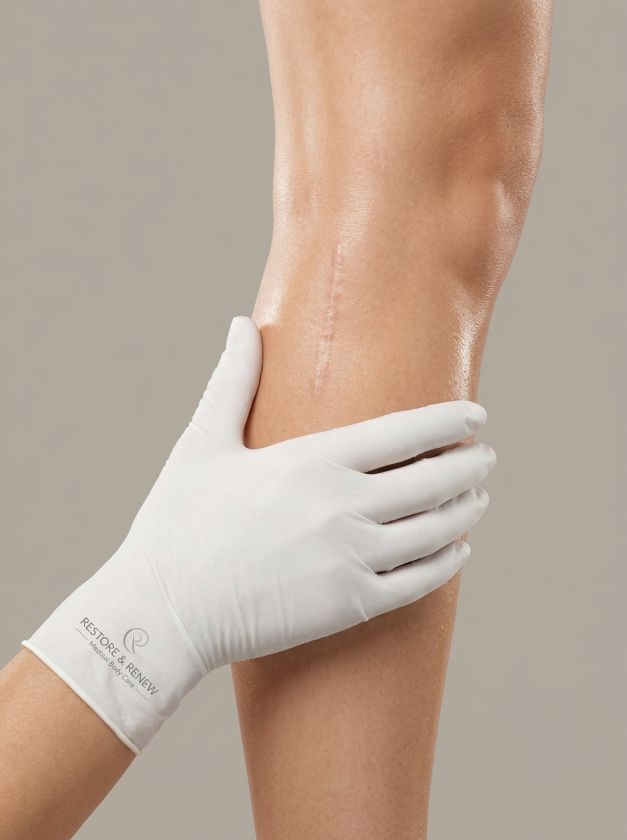
Advanced dressings and negative pressure therapy can prepare a wound bed and are valuable in selected cases.
When wounds are deep, recurrent, or structurally unstable, flap or graft-based reconstruction is often required for durable healing.
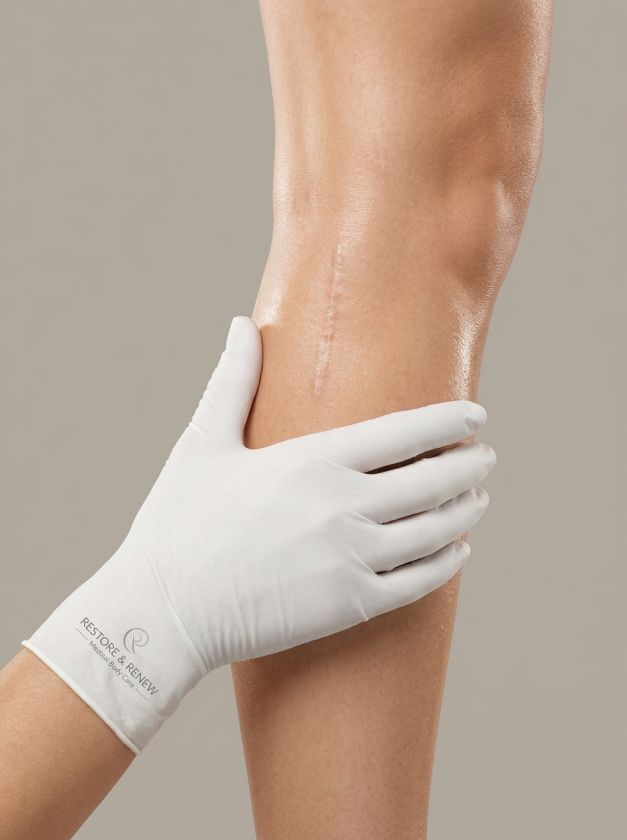

Chronic wounds fail for specific biological reasons, and closure without correcting the cause often breaks down.
Dr. Gandhi focuses on etiology-first reconstruction: optimize perfusion, remove non-viable tissue, reduce pressure/shear, and then choose the most reliable closure method.
"A wound that closes but does not stay closed is not a success. Durable healing requires cause correction and reconstructive planning together."
— Dr. Giriraj Gandhi
Infected or non-viable tissue is removed to create a healthy granulating base.
When vascularity is adequate, grafts provide efficient closure with low donor-site burden.
Vascularized tissue transfer provides durable coverage for deep or high-risk wounds.
Common reasons include infection, pressure, poor blood supply, or uncontrolled systemic disease.
Surgery helps, but long-term success also needs medical control and pressure/off-loading compliance.
Recurrence risk drops significantly with cause correction, proper footwear/positioning, and follow-up care.
Assess perfusion, culture status, and imaging when deeper involvement is suspected.
Improve glycemic control, nutrition, and smoking status before reconstruction.
Plan pressure-relief support and mobility modifications pre-operatively.
Frequent wound checks ensure closure viability and early detection of complications.
Gradual activity progression with strict pressure control protects long-term healing.
Ongoing preventive care and risk-factor control reduce recurrence significantly.
When a flap is raised to close a chronic wound, the tissue that gets moved into place is not behaving like ordinary skin anymore. It has been cut free from most of its original...
7 Min ReadA son brought me his mother's tablet last week, open to a photo of her heel — black, dry, shrunken, with a clean line where healthy skin met dead tissue. "The wound care nurse s...
6 Min ReadMost families I meet for chronic wound management surgery India consultations bring a folder, not a wound. Weeks of dressing photographs, prescription slips from three different...
9 Min ReadSchedule a private consultation at our Nigdi clinic to explore your surgical options with absolute discretion and expert guidance.