


Specialized reconstruction of tendons, nerves, skin, and soft tissue to restore strength, dexterity, and functional hand movement.
Reconstructive hand surgery addresses trauma, nerve injury, tendon rupture, post-burn contractures, and congenital deformities that impair movement and daily function. Because the hand is a dense network of tendons, pulleys, vessels, and nerves, treatment must restore anatomy layer by layer.
Dr. Gandhi applies precision reconstructive techniques including tendon repair, nerve grafting, local flap coverage, and scar release to preserve both utility and form. The objective is not only healing tissue, but recovering grip, pinch, sensation, and confidence in day-to-day use.
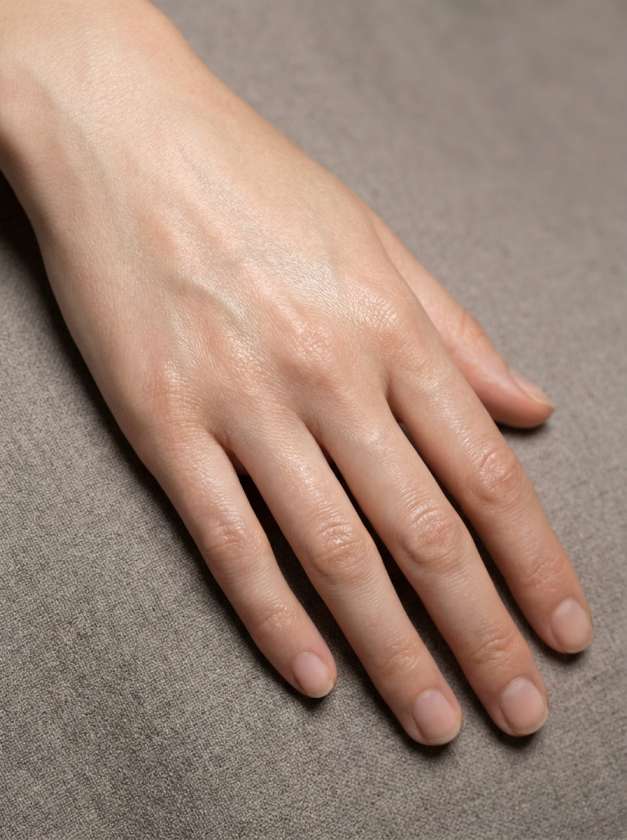
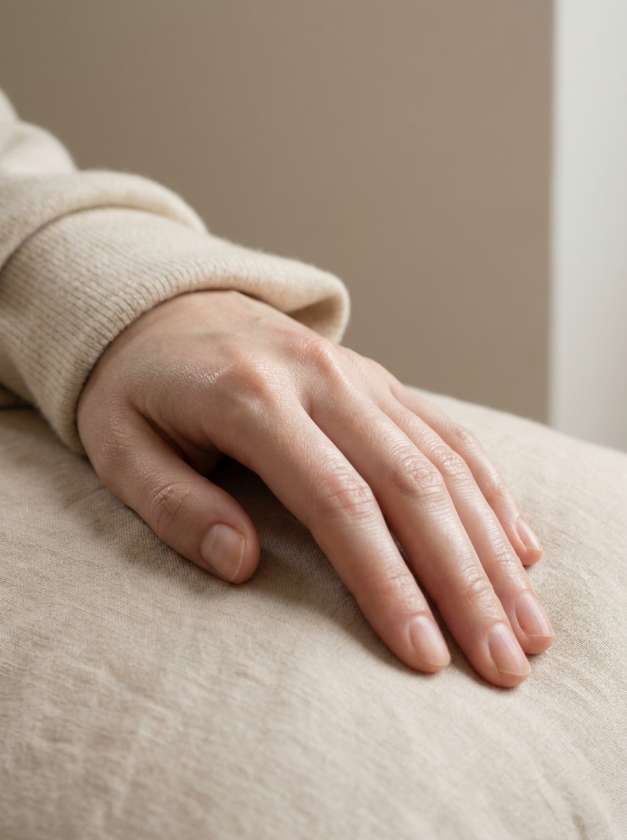
Splinting, anti-inflammatory treatment, and therapy can help selected overuse injuries or mild stiffness. But complete tendon rupture, deep nerve transection, and significant tissue loss generally require surgery.
Definitive reconstruction restores structural continuity and creates the foundation for meaningful functional recovery.
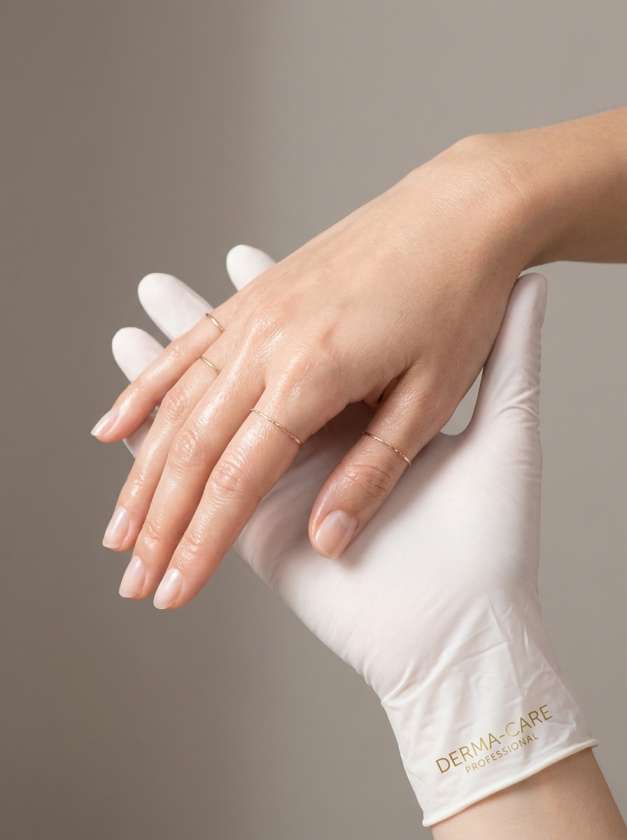

Successful hand reconstruction requires a staged strategy: stabilize, restore coverage, recover tendon glide, and rebuild sensibility. Superficial closure alone may heal skin but leaves long-term disability.
Dr. Gandhi emphasizes tissue-preserving dissection, tension-free repair, and early coordinated rehabilitation with hand therapy to maximize functional return and reduce scar tethering.
"In hand surgery, the operation is only half the outcome. The other half is disciplined rehabilitation and guided movement at the right time."
— Dr. Giriraj Gandhi
Direct tendon repair or grafting restores finger flexion and extension while preserving gliding planes.
Microsurgical nerve coaptation or decompression improves sensation and motor control when feasible.
Local or regional flaps protect exposed tendon, nerve, or bone and improve durable wound closure.
Recovery depends on injury complexity, but functional gains usually continue for several months with therapy.
Yes. Structured hand therapy is central to outcomes after most reconstructive procedures.
Many patients achieve major improvement, though outcomes vary by injury severity and timing of treatment.
Clinical exam and imaging define tendon, nerve, and bone involvement for surgical planning.
Control diabetes, stop smoking, and review medications that may increase bleeding risk.
Pre-book hand therapy and plan early post-operative follow-up for splint and motion protocol.
Protective splinting, swelling control, and wound care are prioritized while pain is stabilized.
Guided motion begins based on repair type to prevent stiffness and protect healing structures.
Strength, dexterity, and functional endurance improve progressively with therapy and home exercises.
A father called my clinic from Nigdi at ten at night, his four year old's fingertip caught in a car door minutes earlier, the nail already lifted and blood soaking through a kit...
7 Min ReadA crushed finger, a kitchen glass injury, a machine press accident at work by the time most people reach a consultation for hand surgery reconstruction India, they have already...
6 Min ReadMost patients preparing for hand surgery recovery India assume the operation is the hard part and the weeks after are just "resting." It is almost the opposite. What actually de...
6 Min ReadSchedule a private consultation at our Nigdi clinic to explore your surgical options with absolute discretion and expert guidance.