


Comprehensive contouring after major weight loss to remove excess skin, restore silhouette, and improve comfort.
After significant weight loss, loose skin can cause hygiene issues, rashes, mobility limitations, and contour disharmony. Body contouring removes redundant tissue and reshapes key zones.
Dr. Gandhi customizes staged plans for abdomen, flanks, thighs, arms, breast/chest, and back based on safety, scar strategy, and recovery capacity.
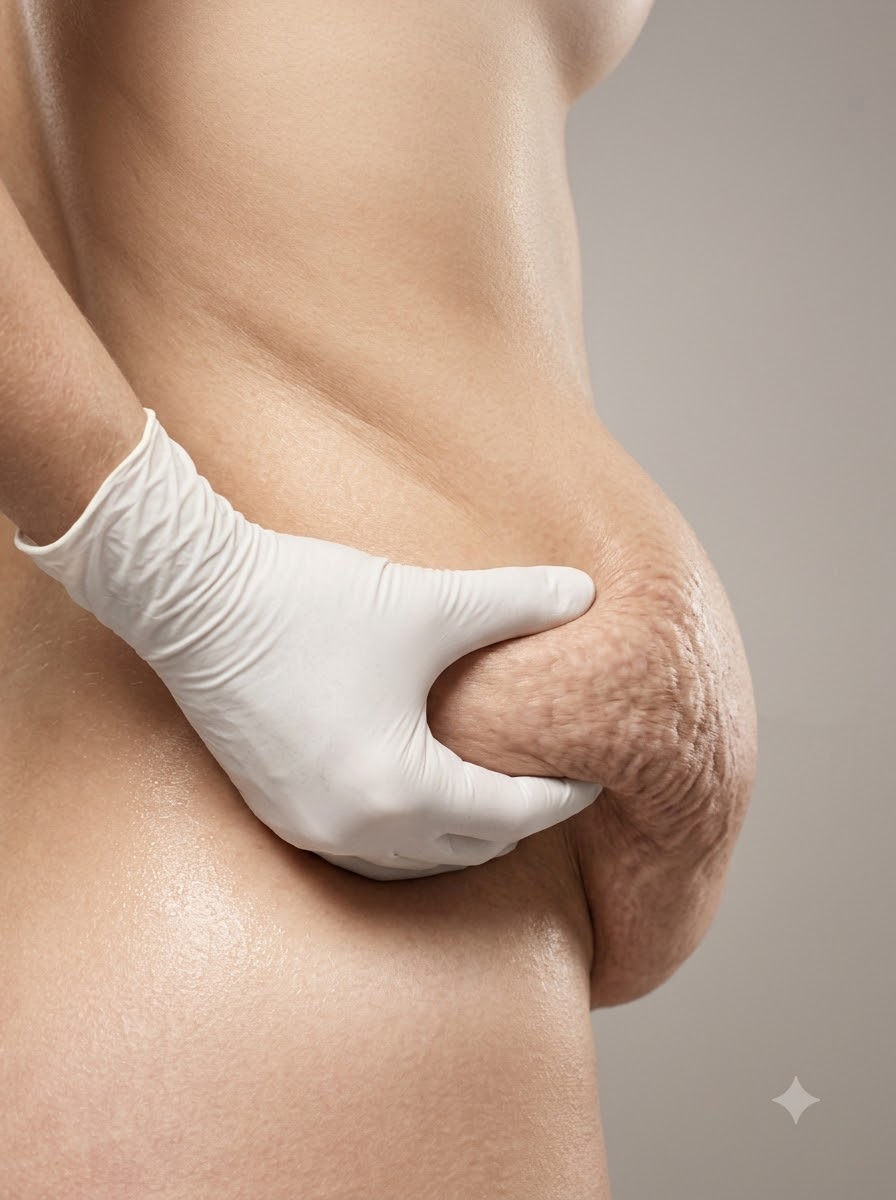
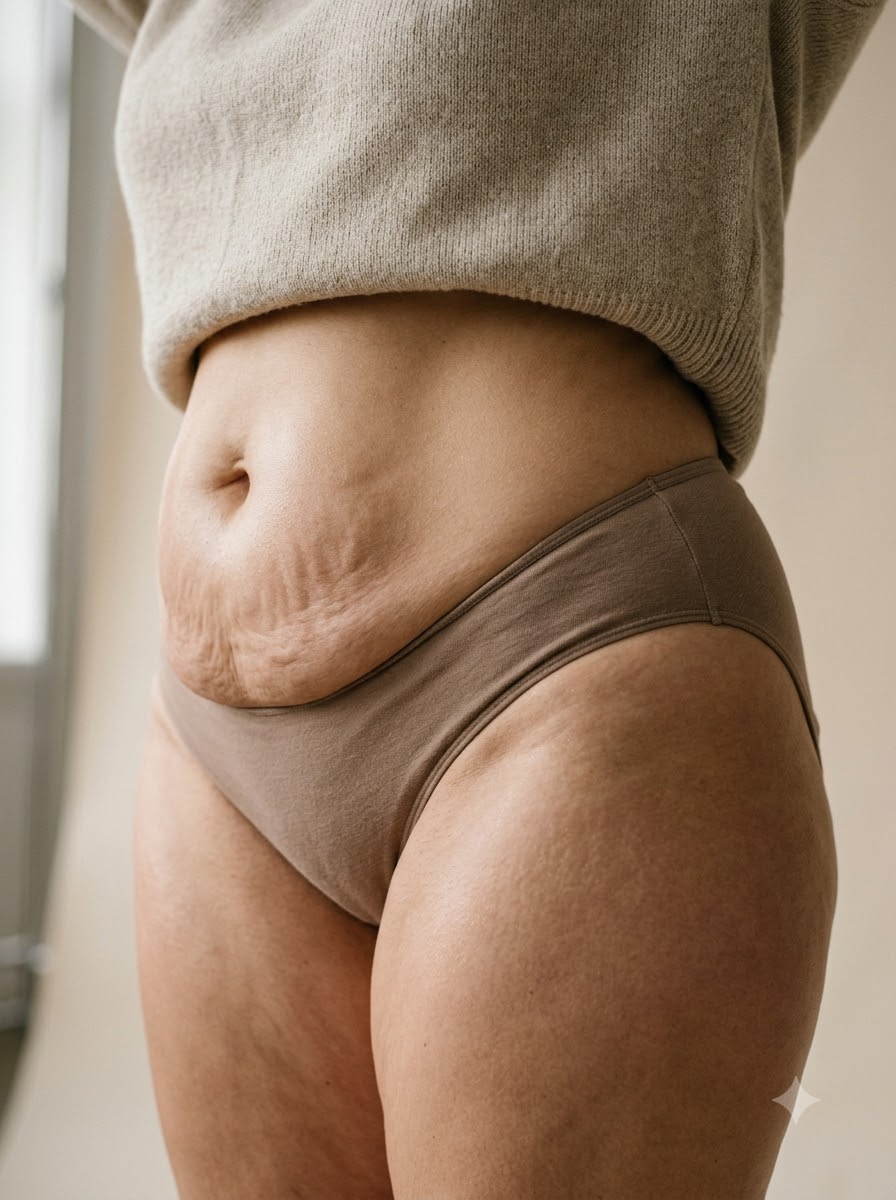
Energy-based skin tightening may help mild laxity but is generally insufficient after massive weight loss.
For substantial excess tissue, surgical excision remains the most reliable method to restore contour and comfort.
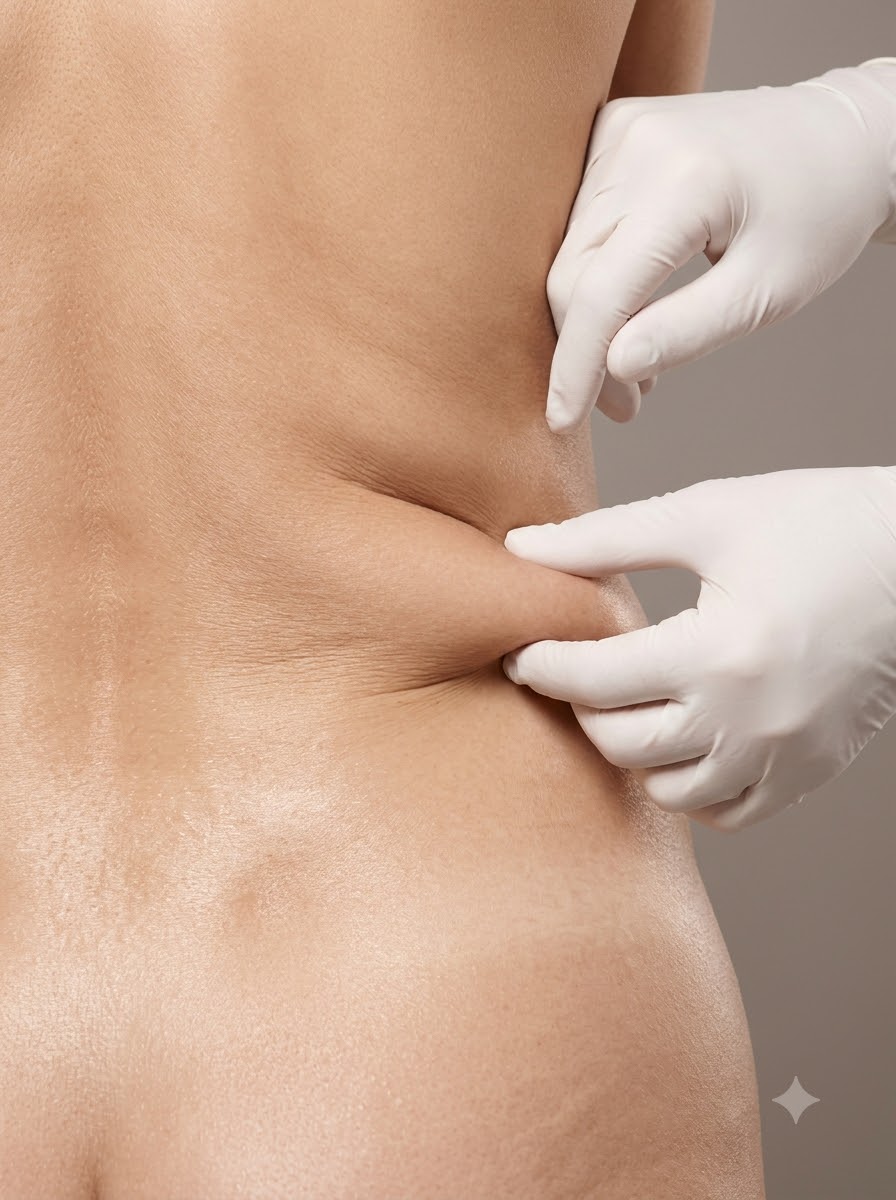

Safe post-bariatric surgery depends on staging, nutrition, and tension management rather than aggressive one-stage resection.
Dr. Gandhi prioritizes vascular safety, durable closure, and scar placement within natural or clothing-concealed zones where possible.
"Stability matters more than speed. A stable weight and strong nutrition profile make the biggest difference to healing quality."
— Dr. Giriraj Gandhi
Circumferential tightening of abdomen, flanks, and lower back contours.
Targeted skin excision for arms and thighs with functional contour restoration.
Procedure sequencing to maximize safety and optimize recovery.
Usually after weight is stable for several months and nutrition is optimized.
Yes, but scars are planned strategically and improve over time with care.
Many patients benefit from staged procedures for safer outcomes.
Maintain stable weight and ensure adequate protein and micronutrient status.
Review anemia, diabetes control, and wound-healing risk factors.
Arrange caregiver support and staged downtime planning.
Mobility support, compression, and drain or wound care as instructed.
Progressive return to activity with lifting restrictions and scar protocol.
Contour settles and scars mature over months with follow-up optimization.
A patient came to me eighteen months after gastric sleeve surgery with a hanging abdominal pannus that had produced two documented episodes of cellulitis in the fold beneath it,...
6 Min ReadA patient in her late thirties came to the clinic eighteen months after bariatric surgery, having lost close to 60 kilograms. She was proud of the number on the scale and visibl...
8 Min ReadA patient in his mid forties came to consultation two years after gastric bypass, having lost close to seventy kilograms. He'd already searched enough online to arrive with a sp...
7 Min ReadSchedule a private consultation at our Nigdi clinic to explore your surgical options with absolute discretion and expert guidance.