


Immediate, permanent tattoo removal through surgical excision for selected cases where speed and completeness matter more than multi-session laser treatment.
Surgical tattoo removal is a direct excision technique for suitable small-to-medium tattoos.
Instead of fading ink gradually, the tattoo-bearing skin is removed and the wound is closed with plastic surgical technique, replacing ink with a healing linear scar.
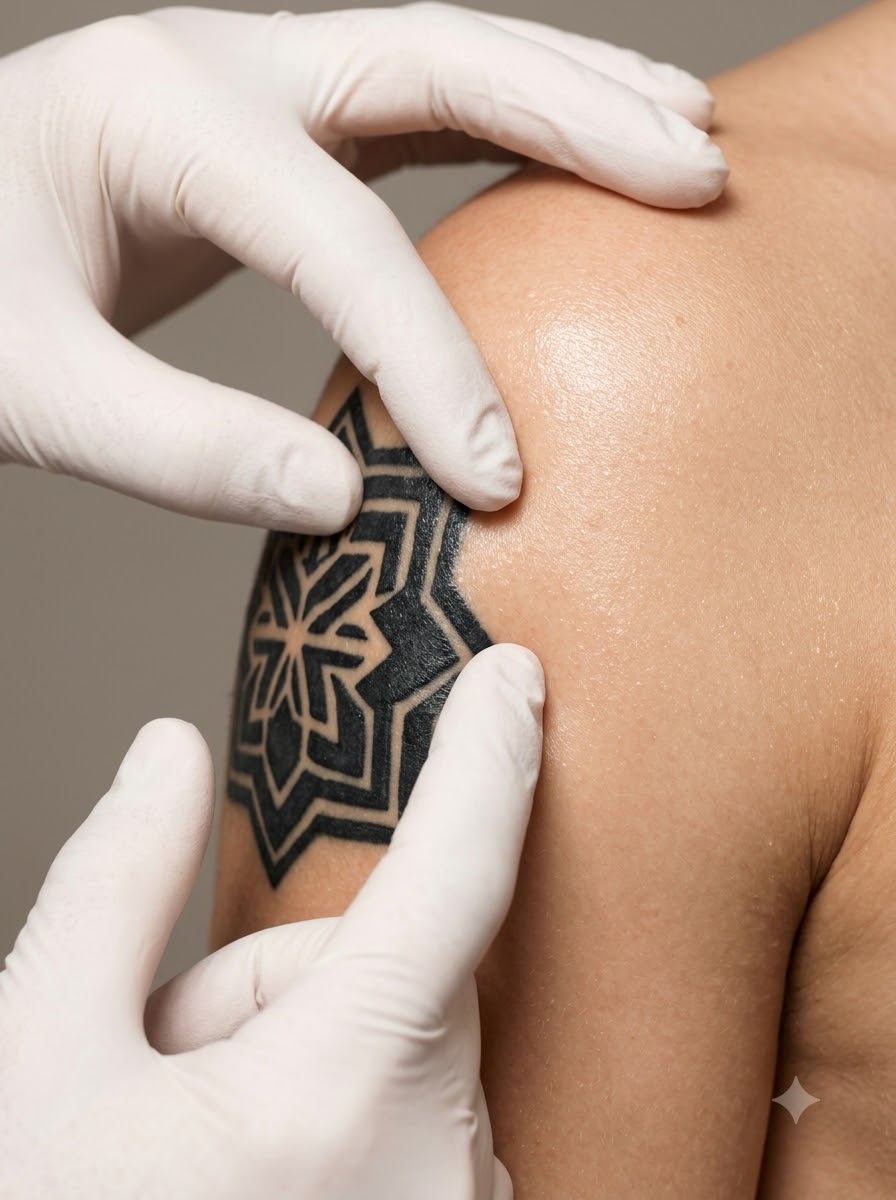
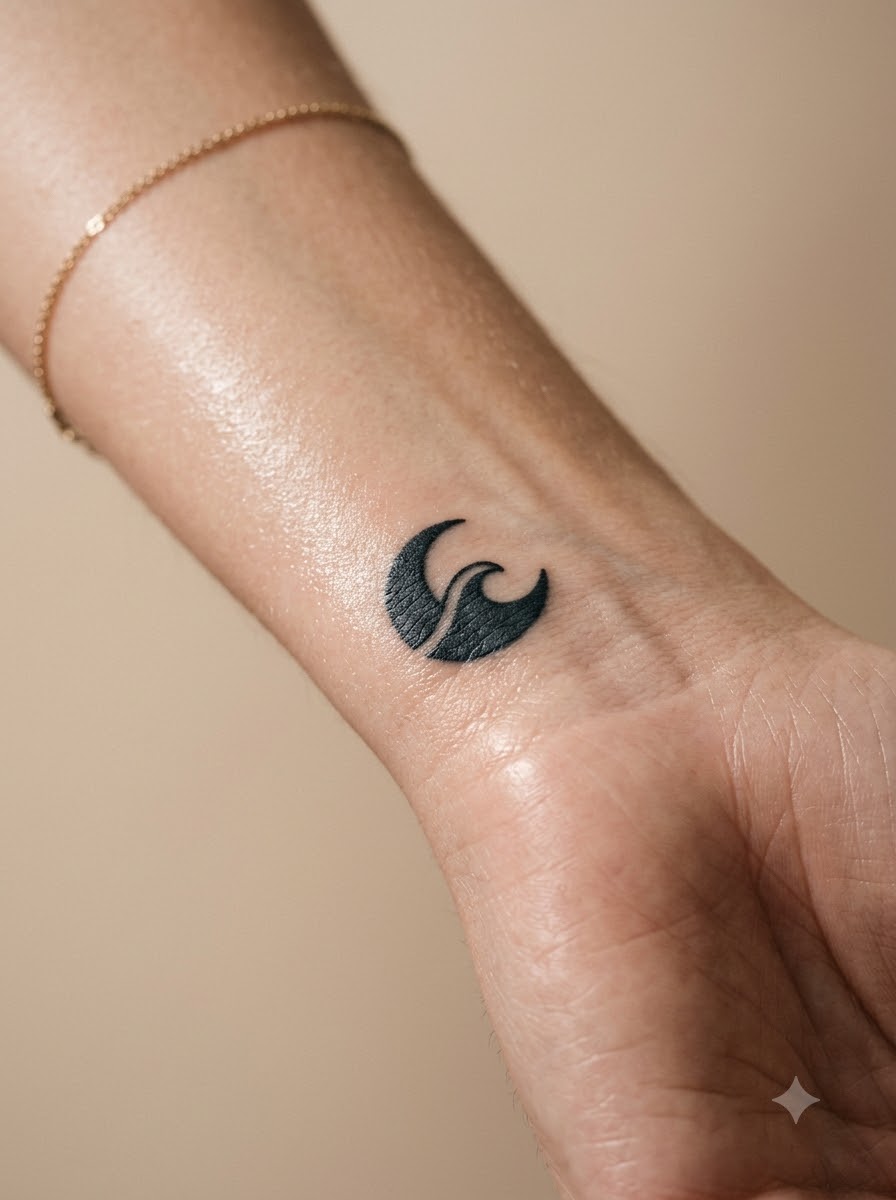
Large tattoos usually require laser management because direct closure is not feasible.
Smaller tattoos, especially linear or narrow designs, may be better candidates for excision when complete immediate removal is the priority.
.jpeg)

The real challenge is not the excision itself but tension-managed closure that avoids a widened scar.
Our approach uses tissue mobilization, deep support sutures, and precise skin alignment to optimize the tradeoff between tattoo removal and scar quality.
"For the right tattoo size and location, excision can be dramatically more efficient than prolonged laser fading."
— Clinical Director
Single-stage removal for appropriately sized tattoos where direct linear closure is possible.
Staged removal for larger tattoos where skin laxity is insufficient for one-stage closure.
Reserved for select complex cases when direct closure is impossible and excision remains necessary.
Yes. The tattoo is replaced by a surgical scar, which is typically narrower and more controllable than the original ink pattern.
Usually no, unless done in stages or with reconstruction; size and laxity determine feasibility.
The procedure is performed under local anesthesia and is generally well tolerated.
Skin stretch and location determine whether single-stage excision is realistic.
Temporary avoidance of blood-thinning agents reduces bruising and improves field visibility.
In select cases, surrounding tissue conditioning may improve closure options.
Expect tightness and limited stretching across the excision site; dressing care and movement restriction are important.
Sutures are removed and regular activity resumes gradually, avoiding excessive tension.
Silicone scar therapy and sun protection support flatter, paler long-term healing.
A tattoo sits in the dermis, not the epidermis. That single anatomical fact is why removing one is never as simple as removing a stain from skin, and it is the reason the questi...
7 Min ReadA man in his early thirties sat across from me last month, sleeve pushed up, describing a promotion interview two weeks away and a forearm tattoo he got at twenty two. He had al...
7 Min ReadMost people booking tattoo removal don't ask enough about what happens after the procedure — they ask about the procedure itself. But tattoo removal surgery recovery India is re...
6 Min ReadSchedule a private consultation at our Nigdi clinic to explore your surgical options with absolute discretion and expert guidance.